Movement Library
The 82 movements every practice can prescribe from — gym, yoga, pranayama, mobility, cardio and sport — with starting doses and precautions.
Every movement you prescribe comes from a library, and 82 movements ship with every practice. You can add your own, and your practice's movements rank above the shared ones in the picker — which is how you override one.
A library entry is worth more than a name. Each carries a real starting dose, coaching cues your client reads in the player, what the movement is for, and what to avoid it with. Picking Anulom Vilom opens a breathwork editor already holding five rounds at 4:4:8, not an empty one.
Find it at Training → Movements. Search matches alternate names and spellings, so "kapal bhati", "rdl" and "down dog" all reach the right entry.
How to read these tables
- Default dose is what arrives when you pick the movement. It is a conservative starting point for a general-population client, not a target — it is meant to be edited.
- 🔒 marks a dose that needs Prescription mode. 26 of the 82 do — external load and maximal effort. Bodyweight sets short of failure, and rounds of a traditional practice (Kapalbhati, Surya Namaskar), are permitted in Guidance mode. See scope of practice.
- Precautions are the ones that would change whether you prescribe at all, not an exhaustive medical list. They are matched against your client's conditions automatically — see screening.
- A second line under a name is the client-facing name. Practitioners search and prescribe by the canonical name; clients read the gloss.
Names, and why there are two of them
For yoga and pranayama the canonical name is the Sanskrit, because that is what an Indian practitioner types — "kapalbhati", not "skull shining breath". But a client reading their programme in the portal, the player and the PDF may know the practice only in English.
So those entries carry both. The practitioner sees Kapalbhati everywhere; the client sees Skull-Shining Breath. This is glossing, not translation and not localisation — Sanskrit asana names are standard in studios worldwide, so a client in Berlin may well know Virabhadrasana. What varies is expertise, not geography.
Separately, every entry carries search aliases — lowercased spelling variants that make the picker forgiving. "Kapal Bhati" and "Kapalbhati" are both in everyday use, and before aliases existed one of them filed a pranayama as yoga.
The catalogue
Pranayama
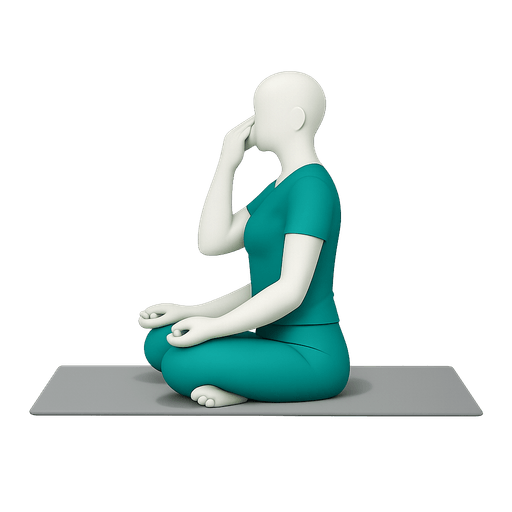
Breathwork. Prescribed as a ratio and a round count, never as sets. These are drawn from the prescription as a rhythm rather than illustrated — a breath practice has no posture to depict.
None of these carry an illustration, and that is deliberate — see Why breathwork has no pictures.
| Movement | Default dose | Level | Equipment | Precautions | |
|---|---|---|---|---|---|
| — | Anulom Vilom Alternate Nostril Breathing | 5 rounds · 4:4:8 · 1.25s/count | beginner | — | Uncontrolled hypertension (avoid retention), Pregnancy (avoid long retention) |
| — | Bhastrika Bellows Breath | 3 rounds · 20s / 40s | advanced | — | Pregnancy, Uncontrolled hypertension, Heart disease, Epilepsy, Glaucoma or recent eye surgery, Hernia or recent abdominal surgery, Active peptic ulcer |
| — | Bhramari Humming Bee Breath | 7 rounds · 1:2 · 1.25s/count | beginner | — | Active ear infection |
| — | Dirgha Pranayama Three-Part Breath | 8 rounds · 4:6 · 1.25s/count | beginner | — | — |
| — | Kapalbhati Skull-Shining Breath | 3 rounds · 30s / 30s | intermediate | — | Pregnancy, Uncontrolled hypertension, Hernia, Recent abdominal surgery, Epilepsy, Active peptic ulcer |
| — | Sama Vritti Equal Breathing | 6 rounds · 4:4:4:4 · 1.25s/count | beginner | — | Uncontrolled hypertension (shorten or drop the holds), Pregnancy (avoid long retention) |
| — | Sheetali Cooling Breath | 8 rounds · 4:6 · 1.25s/count | beginner | — | Cold weather or respiratory infection — it cools and dries the airway, Asthma triggered by cold air, Low blood pressure |
| — | Ujjayi Ocean Breath | 10 rounds · 4:6 · 1.25s/count | beginner | — | Acute sore throat or laryngitis |
Yoga
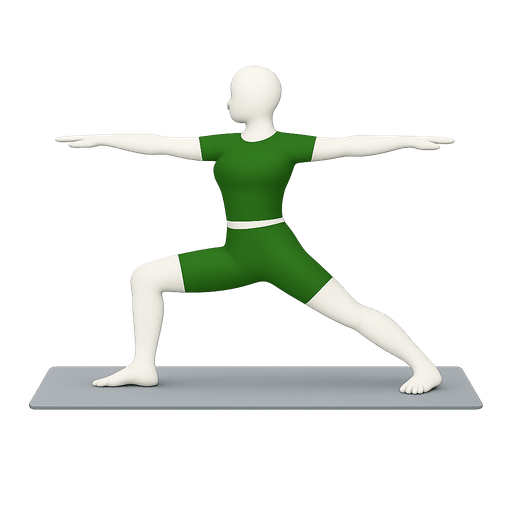
Asana practice. Prescribed as holds, in seconds or in breaths. Sanskrit is the canonical name and the English gloss is what your client sees.
| Movement | Default dose | Level | Equipment | Precautions | |
|---|---|---|---|---|---|
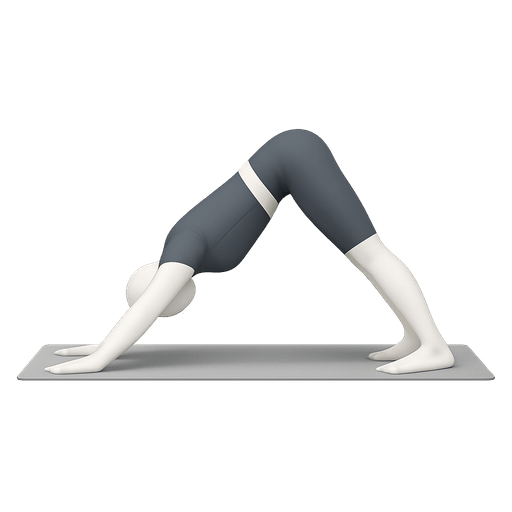 | Adho Mukha Svanasana Downward-Facing Dog | 5 breaths | beginner | mat | Carpal tunnel syndrome, Uncontrolled hypertension, Late pregnancy |
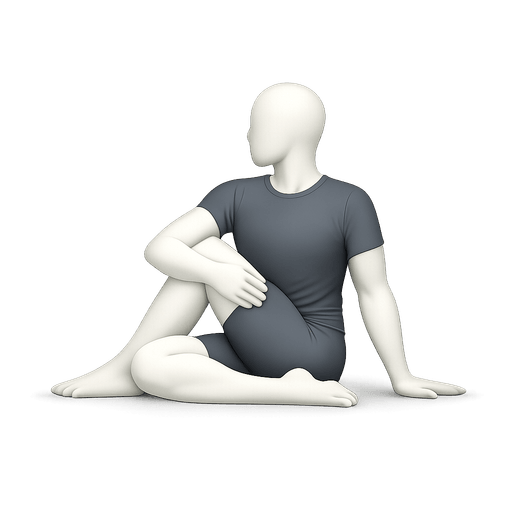 | Ardha Matsyendrasana Seated Spinal Twist | 2 × 5 breaths · per side | beginner | — | Pregnancy — take an open twist instead, Spinal fusion or recent back surgery, Acute disc injury |
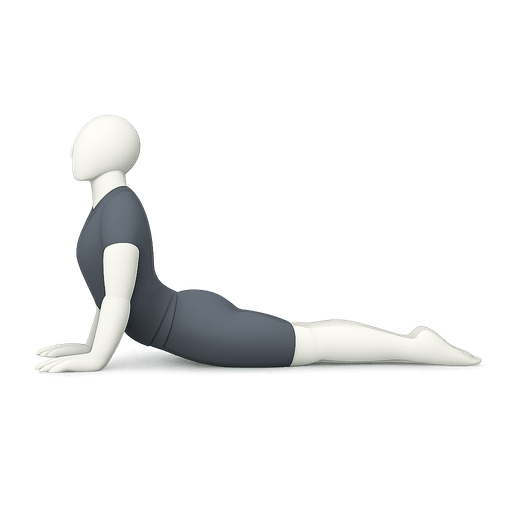 | Bhujangasana Cobra Pose | 3 × 4 breaths | beginner | — | Lumbar disc injury with extension intolerance, Pregnancy, Recent abdominal surgery |
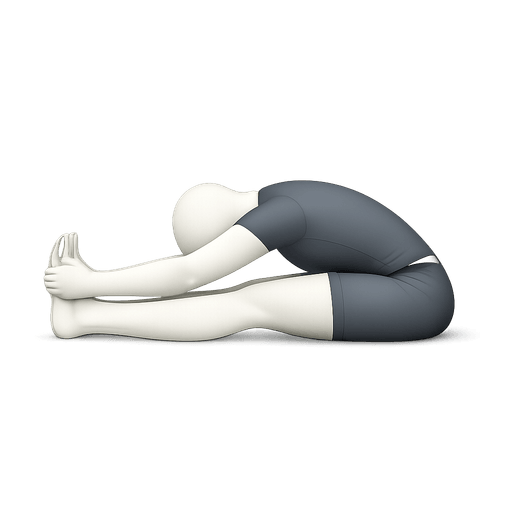 | Paschimottanasana Seated Forward Bend | 2 × 8 breaths | beginner | — | Lumbar disc injury — loaded flexion is the risk, Acute sciatica |
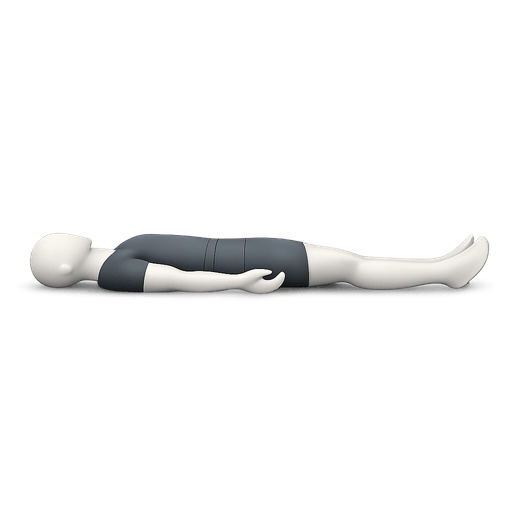 | Savasana Corpse Pose | 40 breaths | beginner | — | Late pregnancy — lie on the left side, Low back discomfort — bolster the knees |
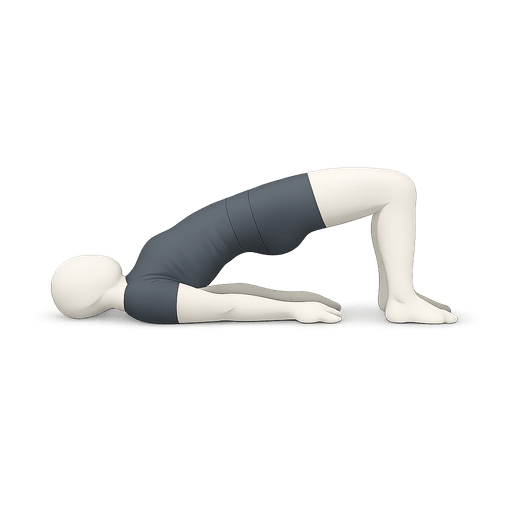 | Setu Bandhasana Bridge Pose | 3 × 5 breaths | beginner | — | Neck injury — do not turn the head once lifted, Late pregnancy |
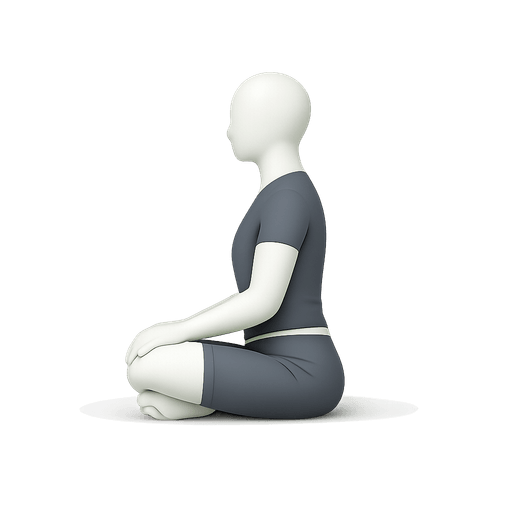 | Sukhasana Easy Seat | 20 breaths | beginner | — | Knee or hip pain when cross-legged — sit on a chair |
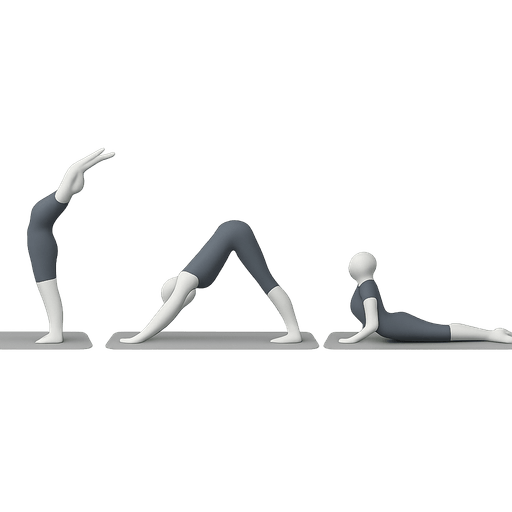 | Surya Namaskar Sun Salutation | 6 rounds · 45s / 15s | beginner | mat | Late pregnancy, Acute low back pain |
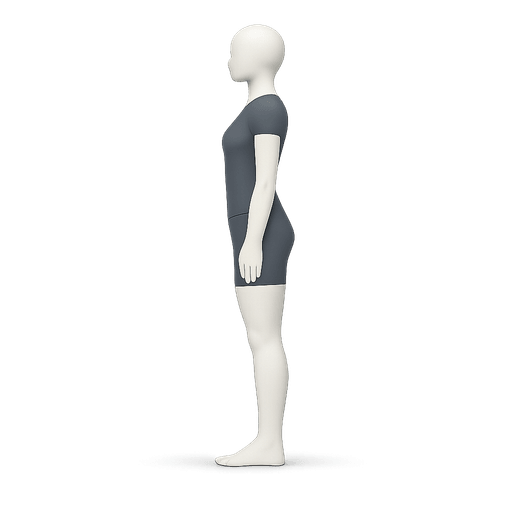 | Tadasana Mountain Pose | 5 breaths | beginner | — | Dizziness on standing still — practise near a wall |
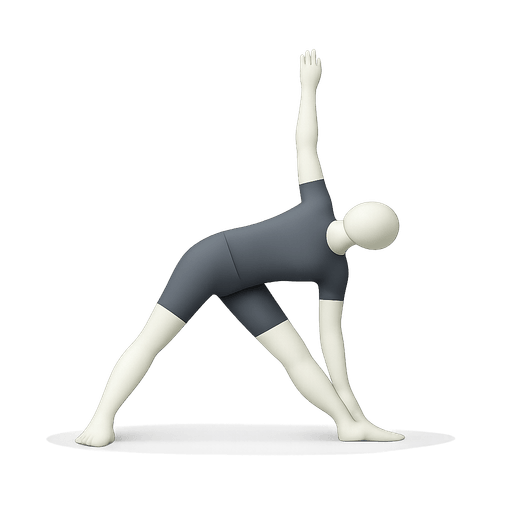 | Trikonasana Triangle Pose | 2 × 5 breaths · per side | beginner | — | Low blood pressure — come up slowly, Neck injury — keep the gaze forward |
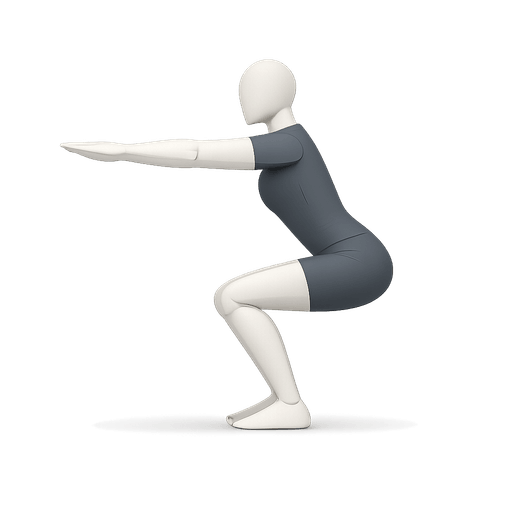 | Utkatasana Chair Pose | 2 × 5 breaths | beginner | — | Acute knee pain, Shoulder impingement — hands to the heart |
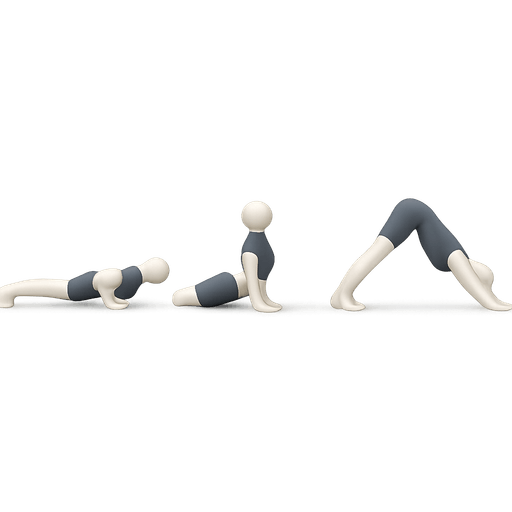 | Vinyasa Flow Transition | 3 breaths | intermediate | — | Shoulder impingement, Wrist pain — take the knees down or use fists, Late pregnancy |
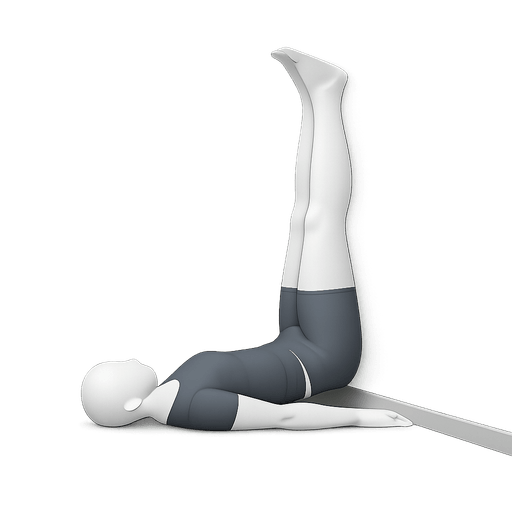 | Viparita Karani Legs Up the Wall | 30 breaths | beginner | wall | Glaucoma, Uncontrolled hypertension, Late pregnancy — lie on the left side instead |
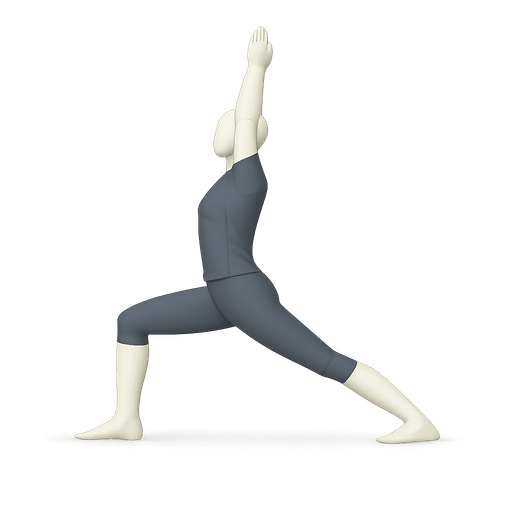 | Virabhadrasana I Warrior I | 2 × 5 breaths · per side | beginner | — | Shoulder impingement — hands at the heart instead, Acute knee pain |
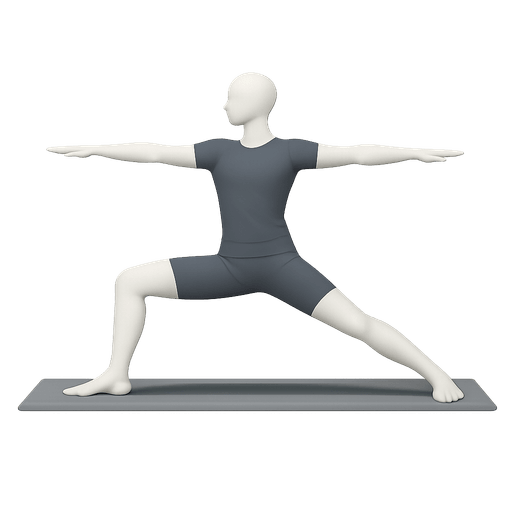 | Virabhadrasana II Warrior II | 5 breaths · per side | beginner | mat | Acute knee injury |
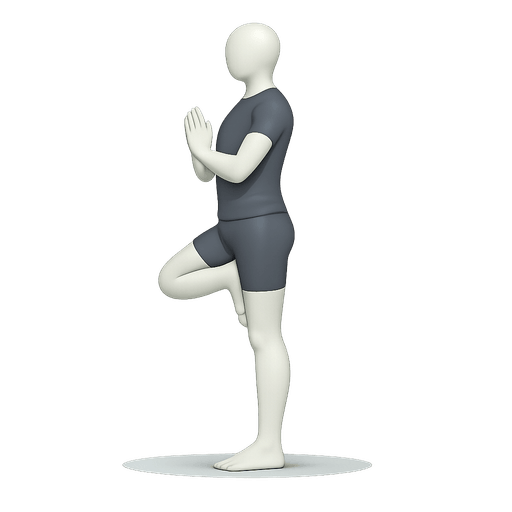 | Vrikshasana Tree Pose | 2 × 5 breaths · per side | beginner | — | Balance impairment — practise with a wall or chair within reach |
Mobility
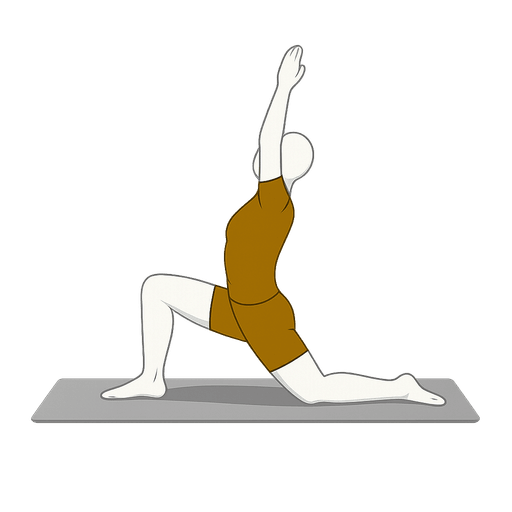
Stretching and range of motion. Mostly holds, often per side.
| Movement | Default dose | Level | Equipment | Precautions | |
|---|---|---|---|---|---|
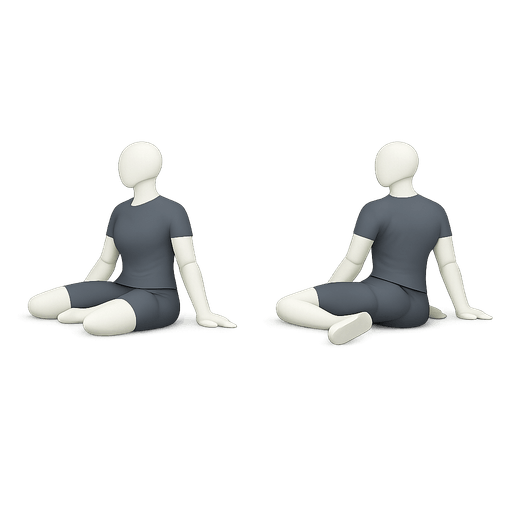 | 90/90 hip switch | 2 × 20s · per side | intermediate | — | Acute hip or knee pain, Recent hip replacement — check permitted rotation |
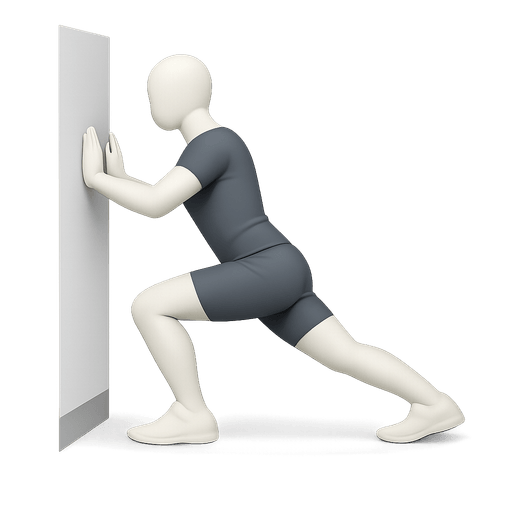 | Ankle dorsiflexion rock | 2 × 10 · bodyweight · 30s rest · per side | beginner | wall | Acute ankle sprain |
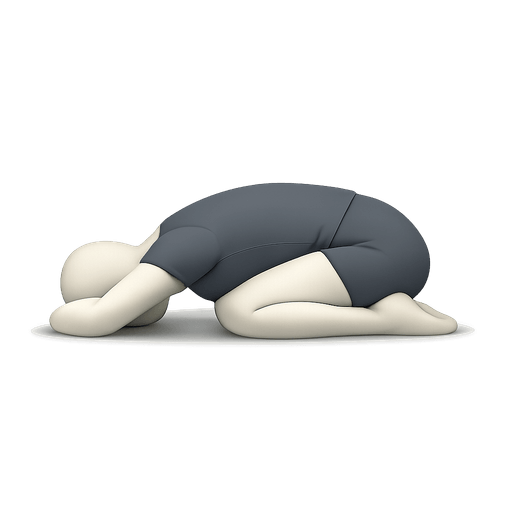 | Balasana Child's Pose | 2 × 45s | beginner | — | Knee injury — use a cushion behind the knees, Late pregnancy — take the knees wide |
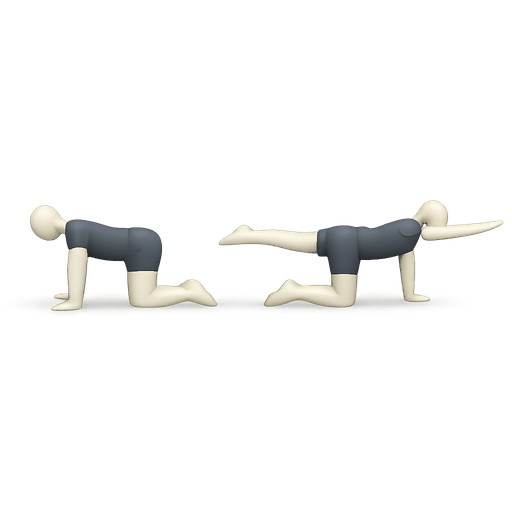 | Bird dog | 3 × 10s · per side | beginner | — | Acute wrist pain — make fists or use dumbbells to stay neutral |
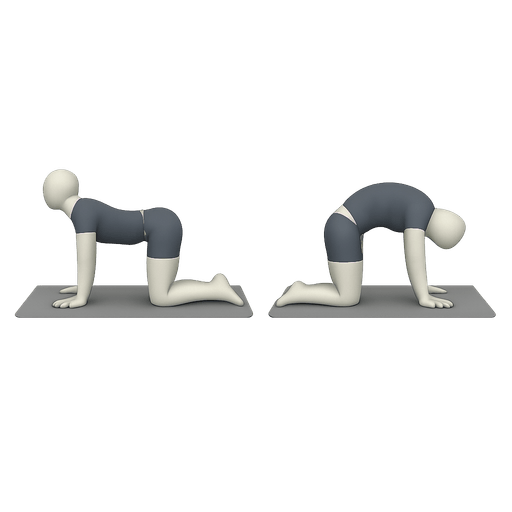 | Cat-cow | 10 rounds · 6s / 0s · Slow | beginner | mat | — |
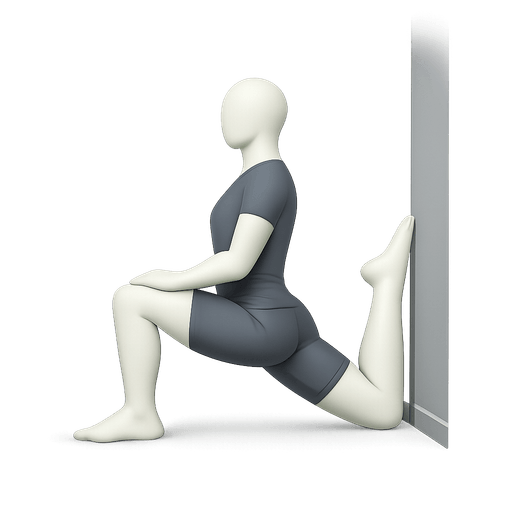 | Couch stretch | 2 × 45s · per side | intermediate | wall | Knee pain under the kneecap — pad the knee or skip, Acute low back pain |
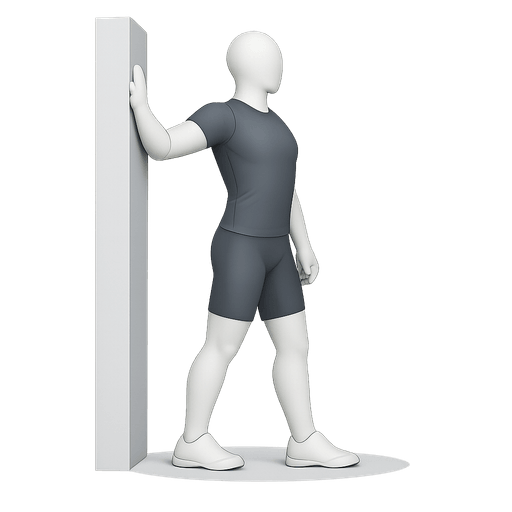 | Doorway pec stretch | 2 × 30s | beginner | wall | Shoulder instability or recent dislocation |
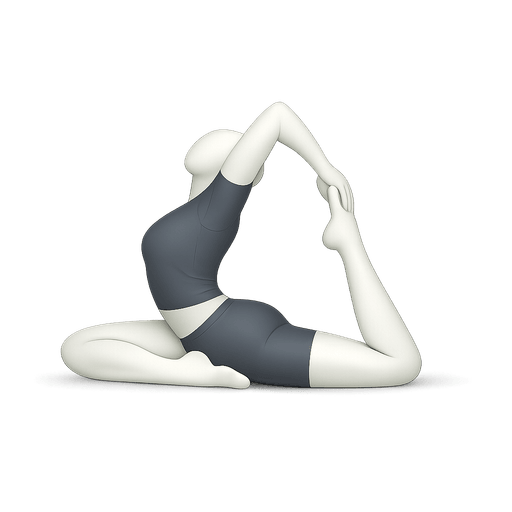 | Eka Pada Rajakapotasana Pigeon Pose | 2 × 45s · per side | intermediate | — | Knee injury — use the reclined figure-four instead, Acute hip pain, Sacroiliac irritation |
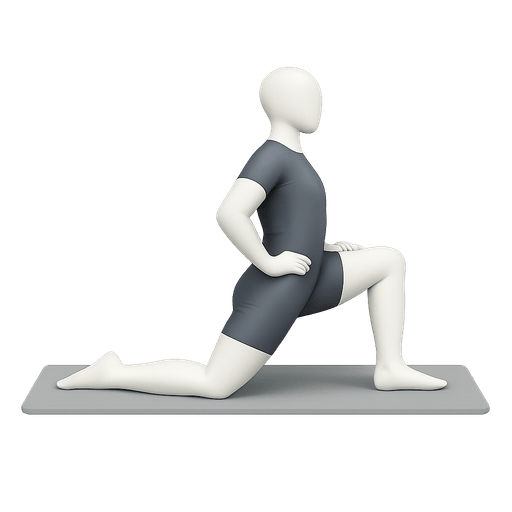 | Half-kneeling hip flexor stretch | 45s · per side | beginner | mat | Acute knee injury |
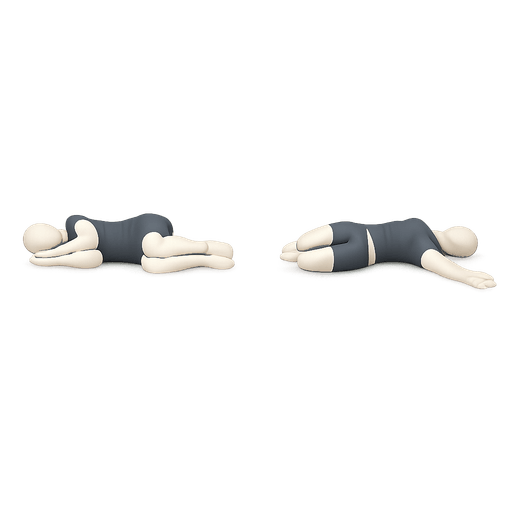 | Open book | 2 × 15s · per side | beginner | — | Acute shoulder pain, Recent spinal surgery |
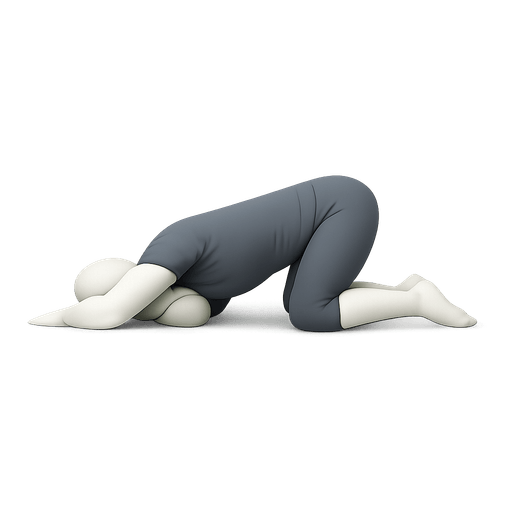 | Thread the needle | 2 × 30s · per side | beginner | — | Acute neck or shoulder pain |
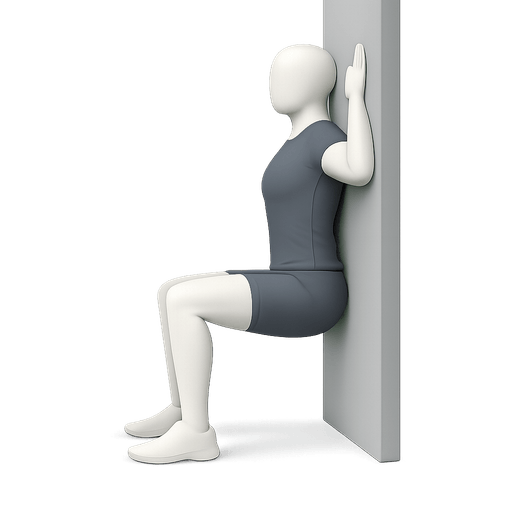 | Wall slide | 2 × 10 · bodyweight · 30s rest | beginner | wall | Acute shoulder pain |
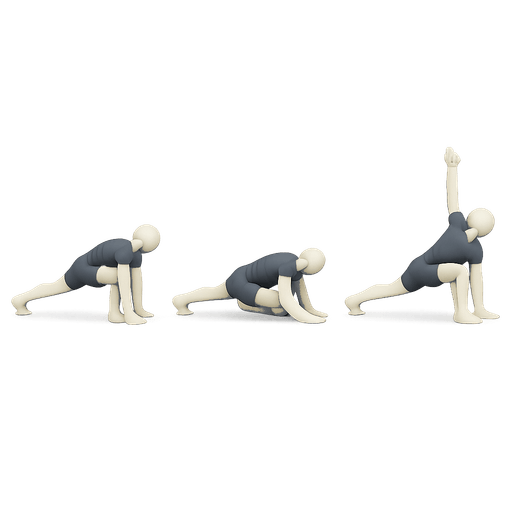 | World's greatest stretch | 2 × 20s · per side | intermediate | — | Acute knee pain in the back leg — put the knee down |
Gym
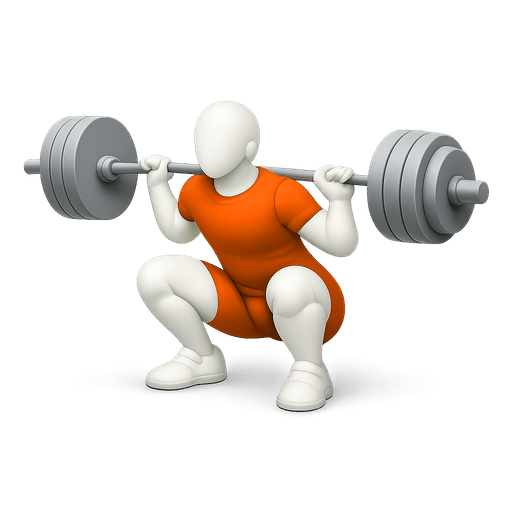
Resistance work, organised by movement pattern rather than by muscle — a squat, a hinge, a push, a pull, a carry and trunk work. Loads shown are conservative starting points for a general-population client, meant to be edited.
| Movement | Default dose | Level | Equipment | Precautions | |
|---|---|---|---|---|---|
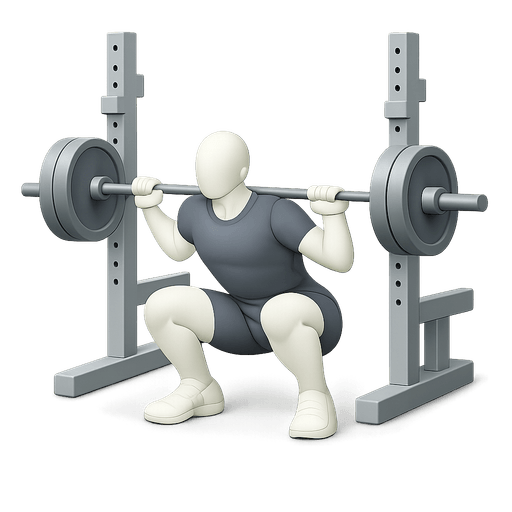 | Back squat | 3 × 8 · 40 · RPE 7 · 120s rest 🔒 | intermediate | barbell, rack | Acute low back pain, Lumbar disc injury |
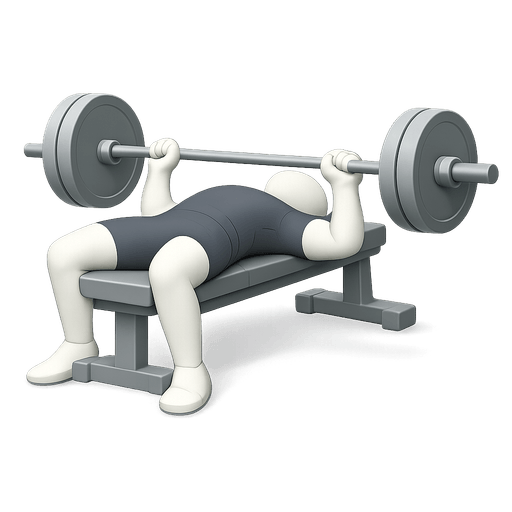 | Bench press | 3 × 8 · 30 · RPE 7 · 120s rest 🔒 | intermediate | barbell, bench | Shoulder impingement, Never press heavy without a spotter or safety pins |
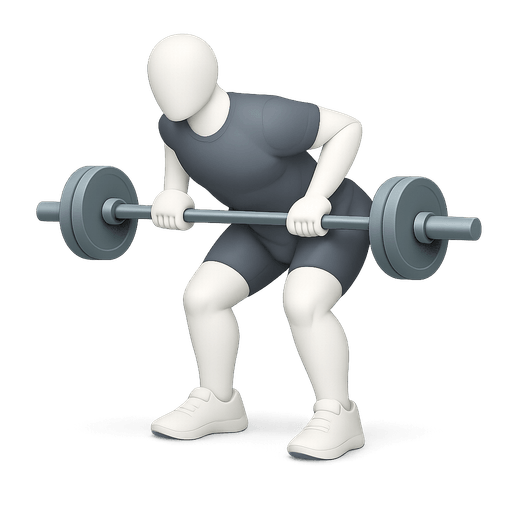 | Bent-over row | 3 × 10 · 30 · RPE 7 · 90s rest 🔒 | intermediate | barbell | Low back injury, Acute lumbar pain — use a chest-supported row |
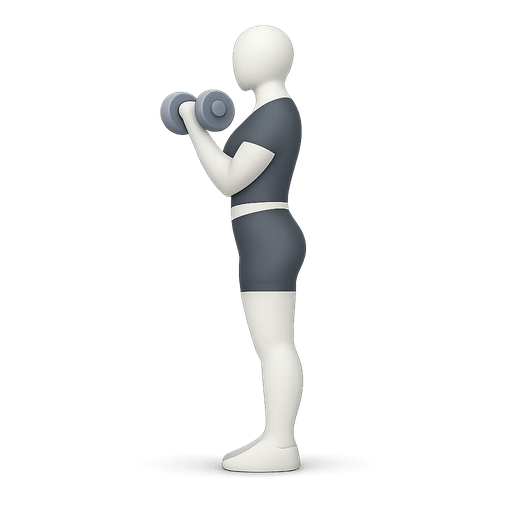 | Biceps curl | 3 × 12 · 8 · RPE 7 · 60s rest 🔒 | beginner | dumbbell | Elbow tendinopathy |
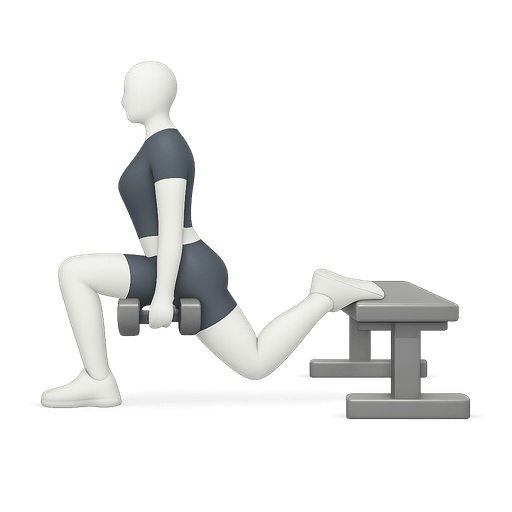 | Bulgarian split squat | 3 × 8 · 8 · RPE 7 · 90s rest · per side 🔒 | intermediate | dumbbell, bench | Acute knee pain, Poor balance without support to hold |
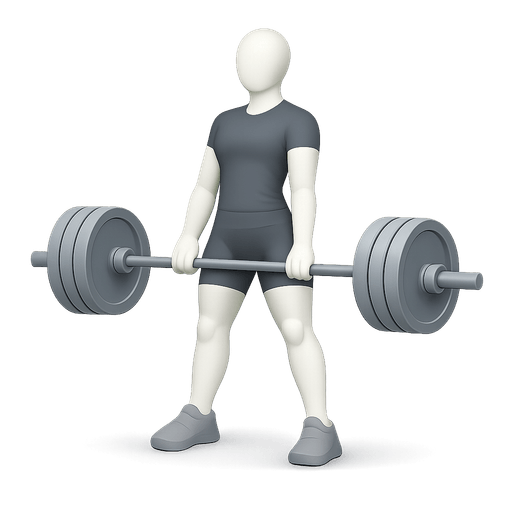 | Conventional deadlift | 3 × 5 · 40 · RPE 7 · 150s rest 🔒 | advanced | barbell | Lumbar disc injury, Acute low back pain, Uncontrolled hypertension — the strain response is significant |
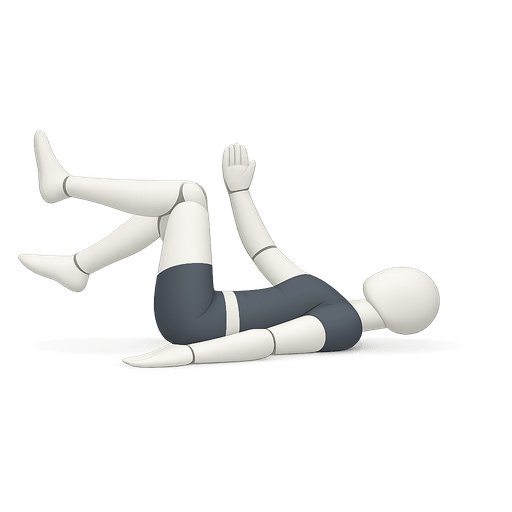 | Dead bug | 3 × 8 · bodyweight · 45s rest · per side | beginner | — | None of note — regress the range rather than skipping it |
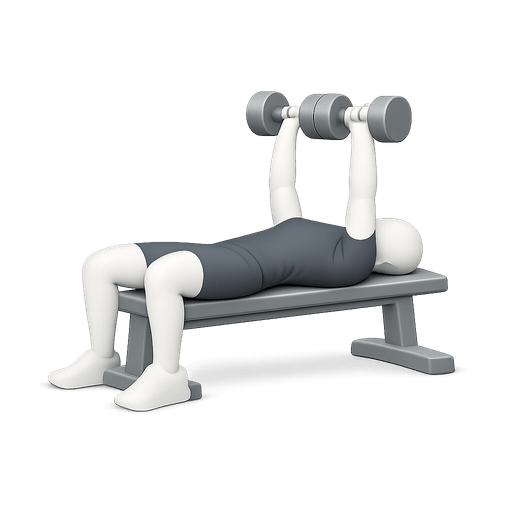 | Dumbbell bench press | 3 × 10 · 12 · RPE 7 · 90s rest 🔒 | beginner | dumbbell, bench | Shoulder impingement, Rotator cuff injury |
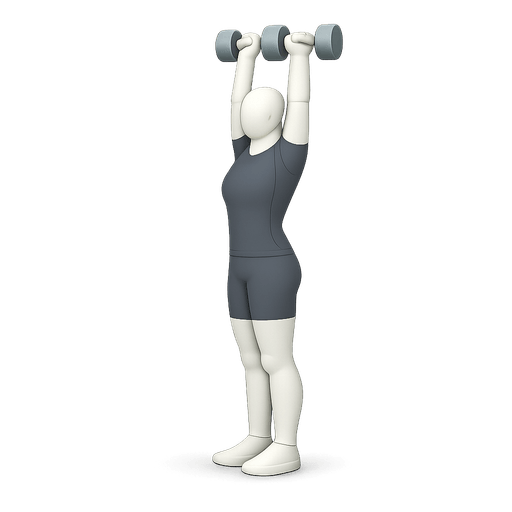 | Dumbbell shoulder press | 3 × 10 · 8 · RPE 7 · 90s rest 🔒 | beginner | dumbbell | Shoulder impingement, Uncontrolled hypertension when pressing overhead |
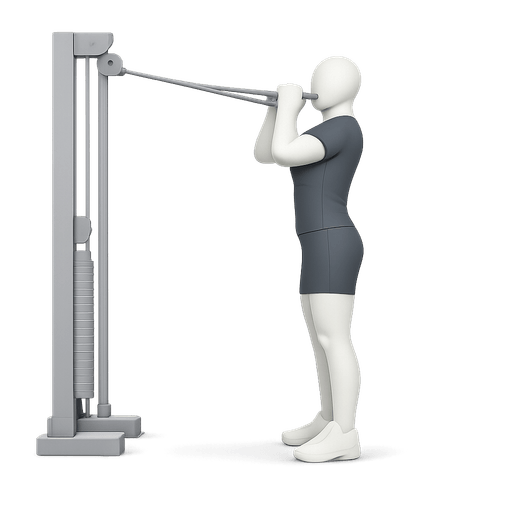 | Face pull | 3 × 15 · 15 · RPE 6 · 60s rest 🔒 | beginner | cable machine, resistance band | Acute shoulder pain |
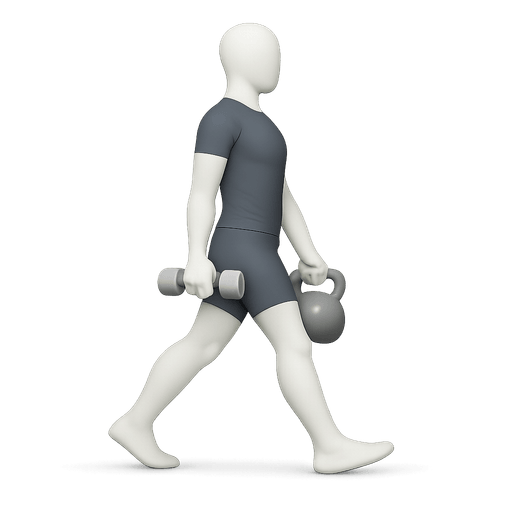 | Farmer carry | 4 rounds · 40s / 60s 🔒 | beginner | dumbbell, kettlebell | Acute low back pain, Grip-limiting hand or wrist injury |
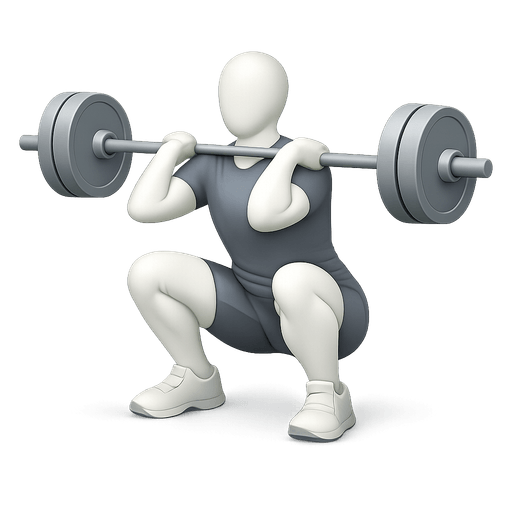 | Front squat | 3 × 8 · 30 · RPE 7 · 120s rest 🔒 | intermediate | barbell | Acute wrist or shoulder restriction, Knee pain under load |
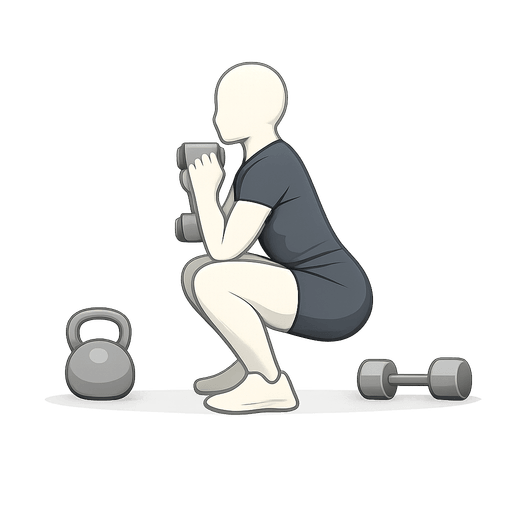 | Goblet squat | 3 × 12 · 12 · RPE 6 · 60s rest 🔒 | beginner | dumbbell, kettlebell | Acute knee injury |
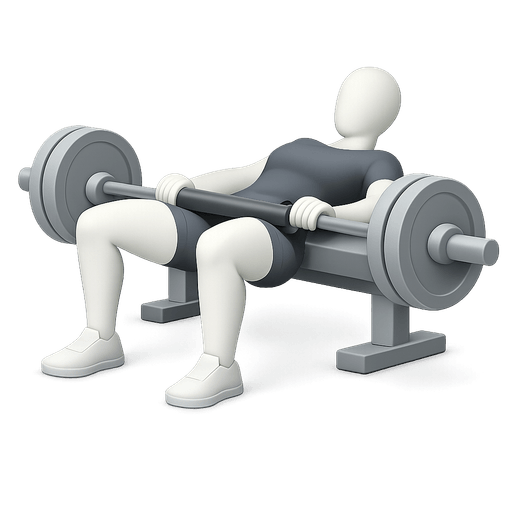 | Hip thrust | 3 × 12 · 30 · RPE 7 · 90s rest 🔒 | beginner | barbell, bench | Acute hip pain, Bar discomfort over the hips — use a pad or a bridge instead |
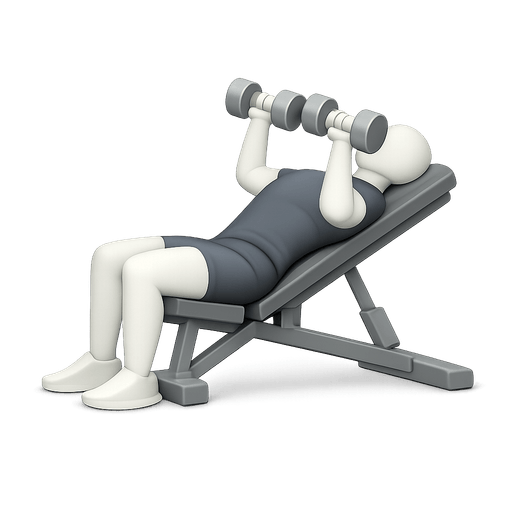 | Incline dumbbell press | 3 × 10 · 10 · RPE 7 · 90s rest 🔒 | beginner | dumbbell, bench | Shoulder impingement |
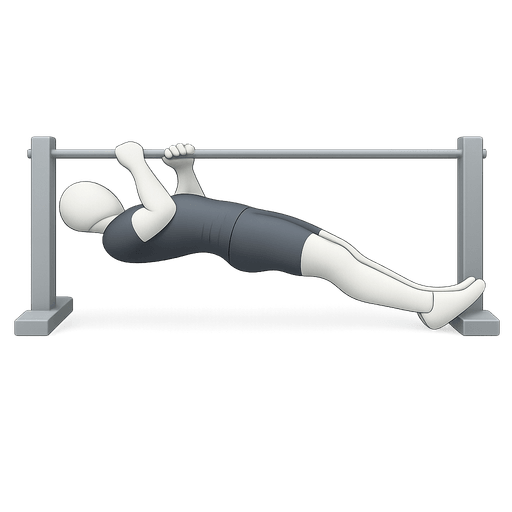 | Inverted row | 3 × 8 · bodyweight · 90s rest | beginner | — | Acute shoulder or elbow pain |
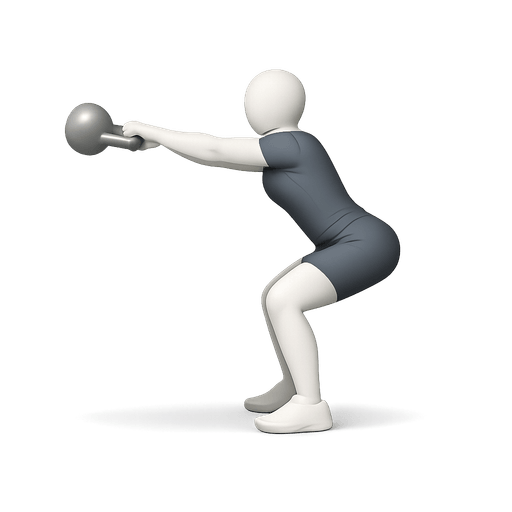 | Kettlebell swing | 8 rounds · 30s / 30s 🔒 | intermediate | kettlebell | Low back injury, Shoulder instability, Uncontrolled hypertension |
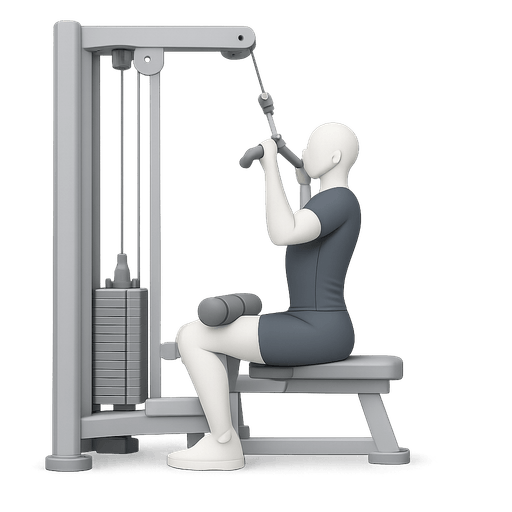 | Lat pulldown | 3 × 12 · 35 · RPE 7 · 75s rest 🔒 | beginner | cable machine | Shoulder impingement |
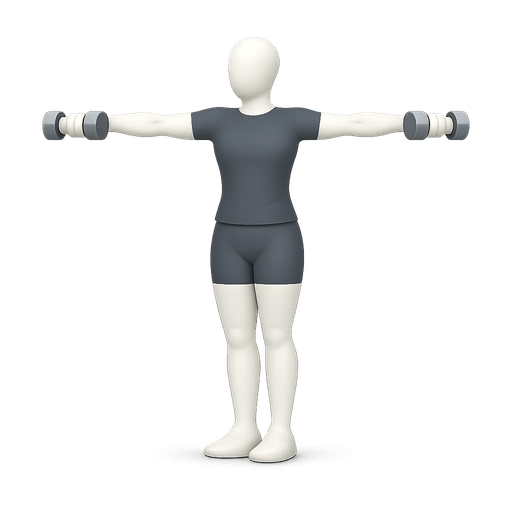 | Lateral raise | 3 × 15 · 5 · RPE 7 · 60s rest 🔒 | beginner | dumbbell | Shoulder impingement — keep below shoulder height |
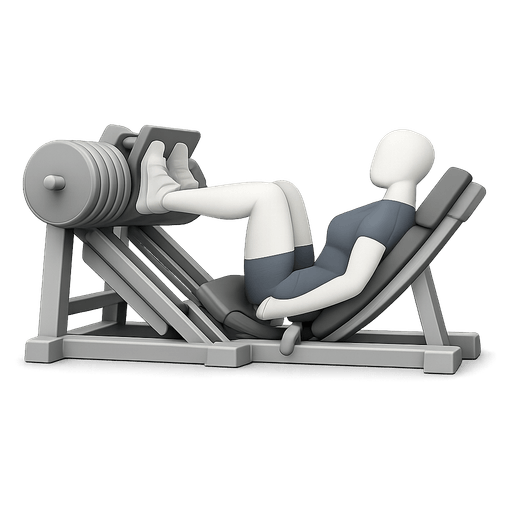 | Leg press | 3 × 12 · 60 · RPE 7 · 90s rest 🔒 | beginner | machine | Knee pain in deep flexion, Recent hip replacement — check permitted range |
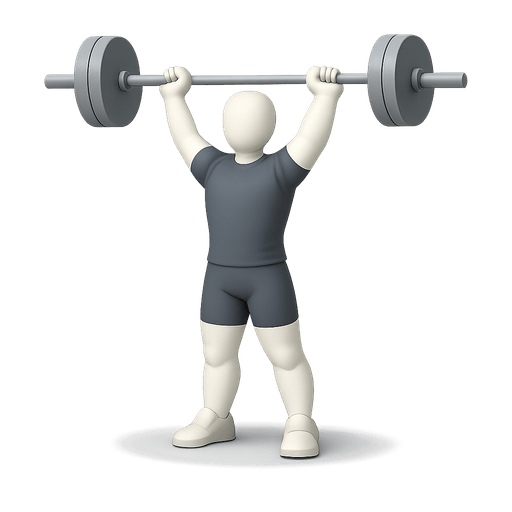 | Overhead press | 3 × 8 · 20 · RPE 7 · 120s rest 🔒 | intermediate | barbell | Shoulder impingement, Limited overhead range — press to the front instead |
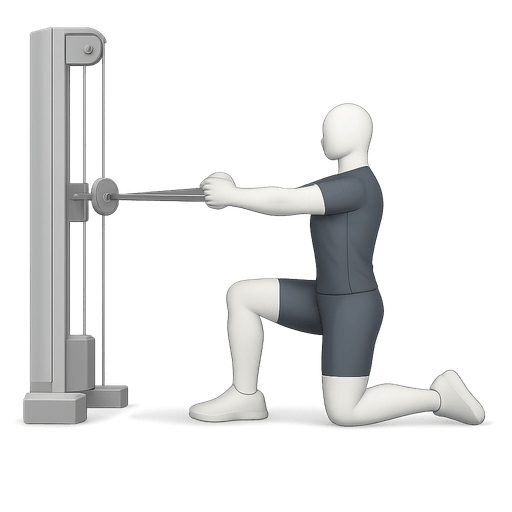 | Pallof press | 3 × 10 · 10 · RPE 6 · 60s rest · per side 🔒 | beginner | cable machine, resistance band | Acute low back pain |
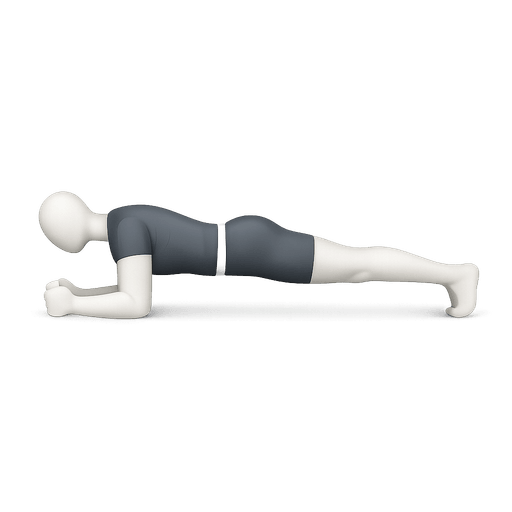 | Plank | 3 × 30s | beginner | — | Acute low back pain, Wrist or shoulder pain — hold on the forearms |
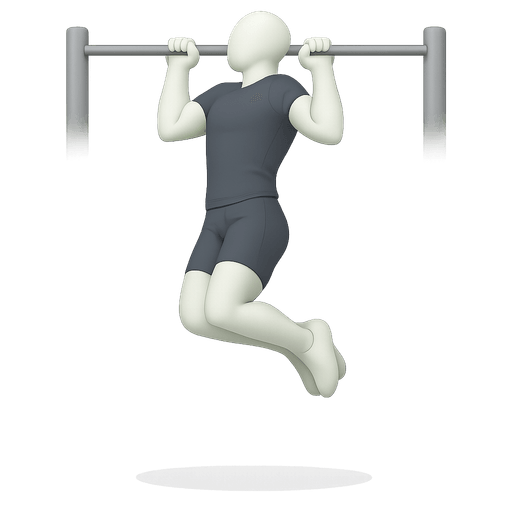 | Pull-up | 3 × 5 · bodyweight · 120s rest | advanced | pull-up bar | Shoulder impingement, Elbow tendinopathy |
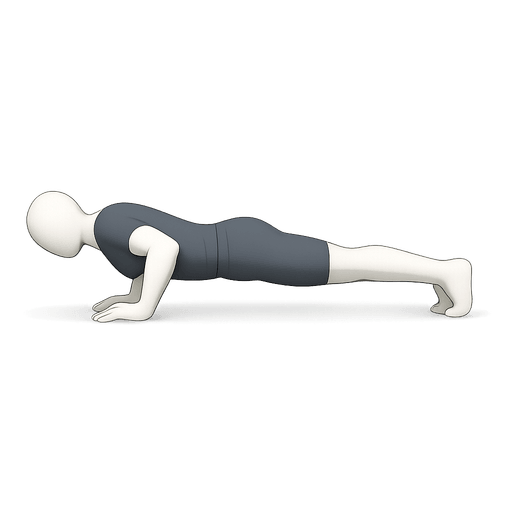 | Push-up | 3 × 10 · bodyweight · 60s rest | beginner | — | Acute shoulder or wrist injury |
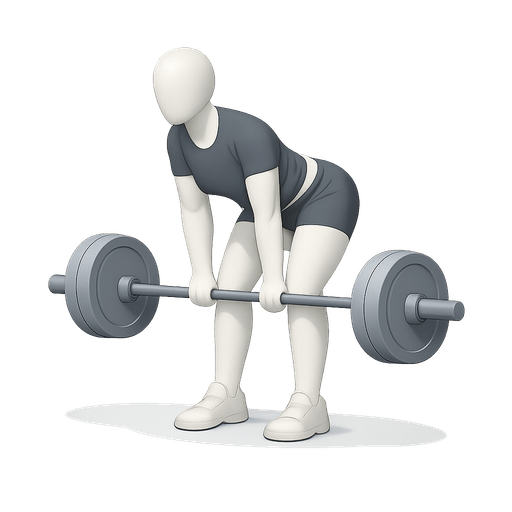 | Romanian deadlift | 3 × 10 · 30 · RPE 7 · 90s rest 🔒 | intermediate | barbell | Lumbar disc injury, Acute low back pain |
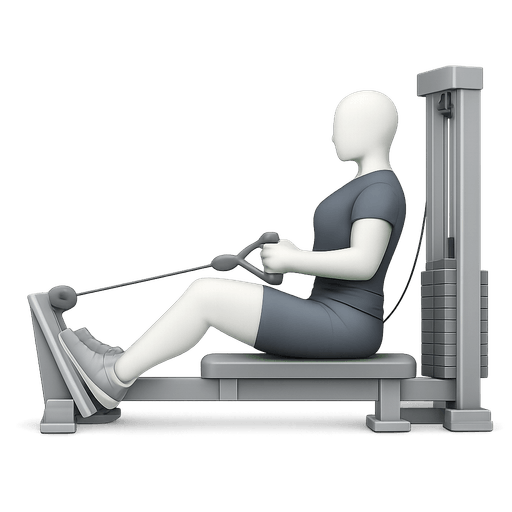 | Seated cable row | 3 × 12 · 35 · RPE 7 · 75s rest 🔒 | beginner | cable machine | Acute low back pain if rocking cannot be avoided |
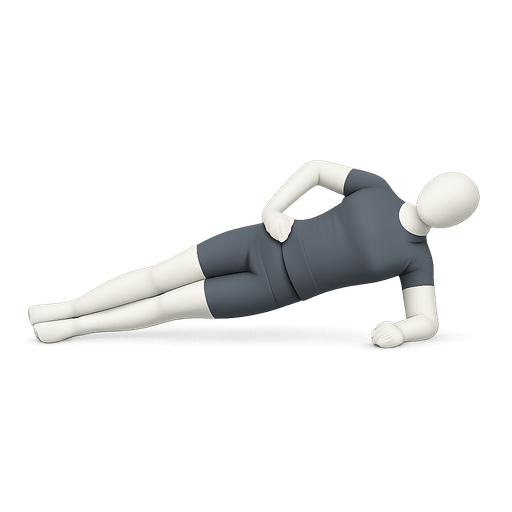 | Side plank | 2 × 25s · per side | beginner | — | Acute shoulder pain, Acute low back pain |
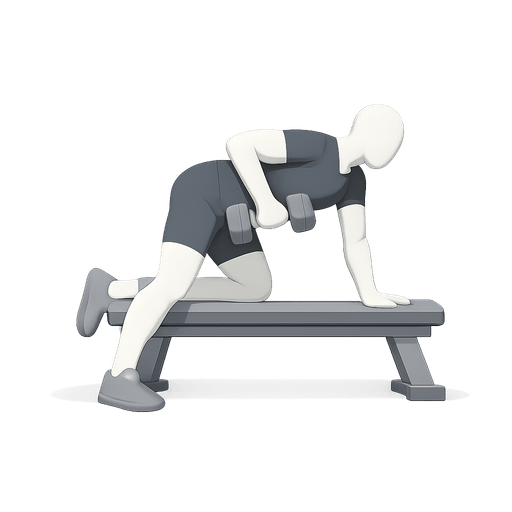 | Single-arm dumbbell row | 3 × 10 · 14 · RPE 7 · 75s rest · per side 🔒 | beginner | dumbbell, bench | Acute shoulder pain |
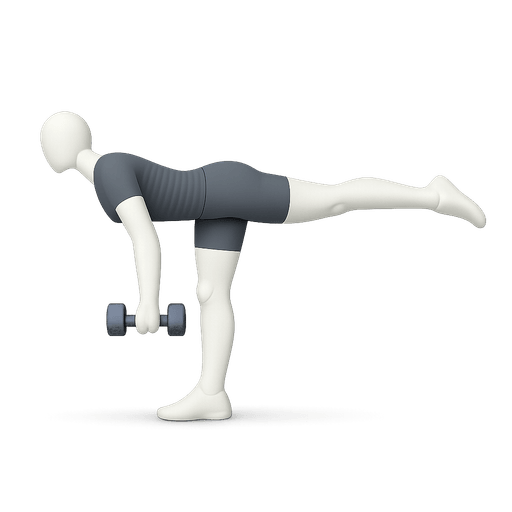 | Single-leg Romanian deadlift | 3 × 8 · 8 · RPE 6 · 75s rest · per side 🔒 | intermediate | dumbbell | Acute low back pain, Balance impairment |
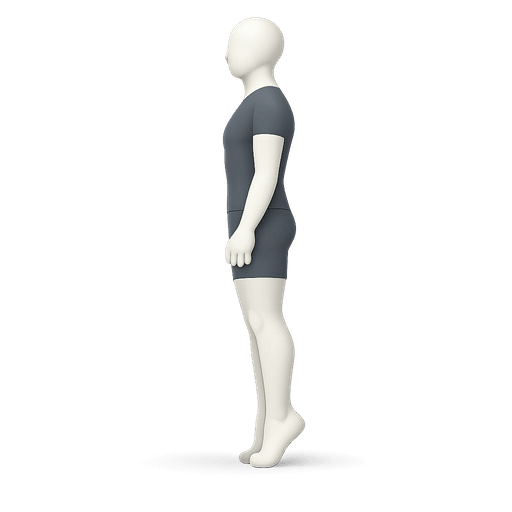 | Standing calf raise | 3 × 15 · bodyweight · 45s rest | beginner | — | Acute Achilles tendinopathy |
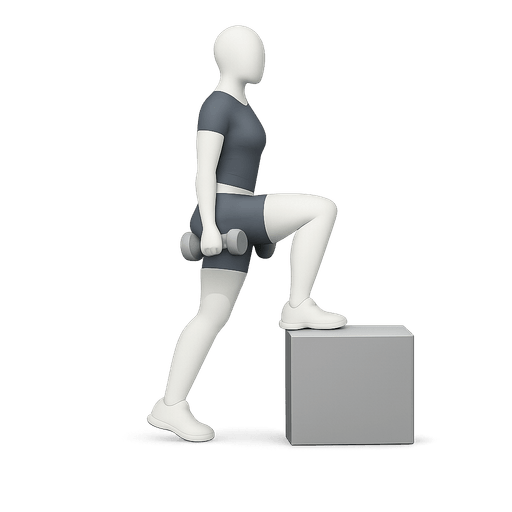 | Step-up | 3 × 10 · 6 · RPE 6 · 75s rest · per side 🔒 | beginner | dumbbell, box | Acute knee pain, Balance impairment without a rail |
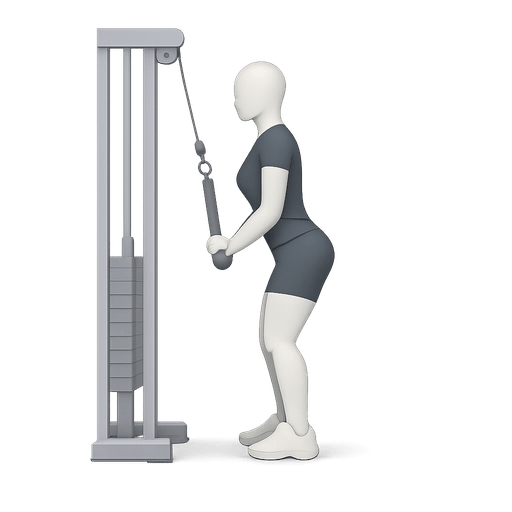 | Triceps pushdown | 3 × 12 · 20 · RPE 7 · 60s rest 🔒 | beginner | cable machine | Elbow tendinopathy |
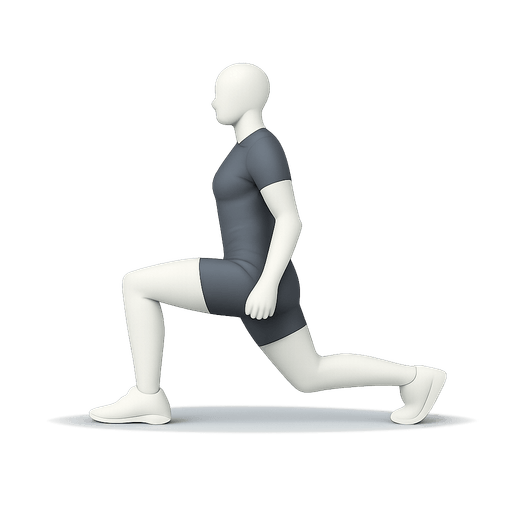 | Walking lunge | 3 × 10 · bodyweight · 90s rest · per side | beginner | — | Acute knee pain, Balance impairment |
Cardio
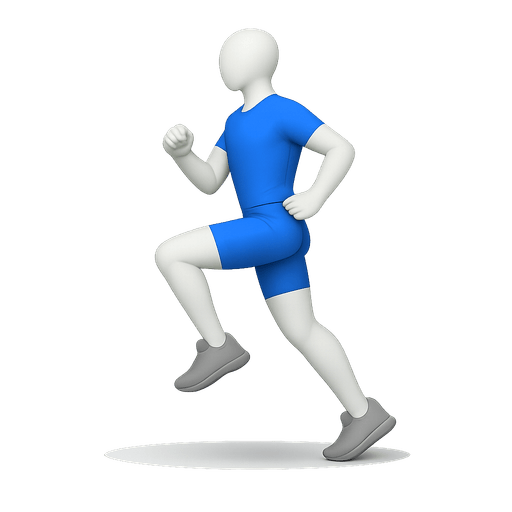
Continuous work, prescribed as a duration or a distance at an intensity.
| Movement | Default dose | Level | Equipment | Precautions | |
|---|---|---|---|---|---|
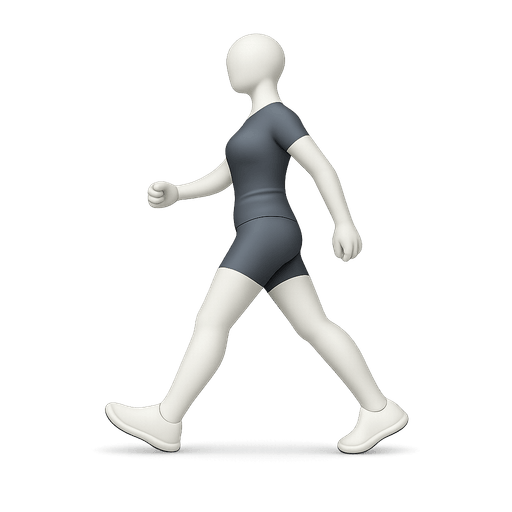 | Brisk walk | 30 min · conversational | beginner | — | — |
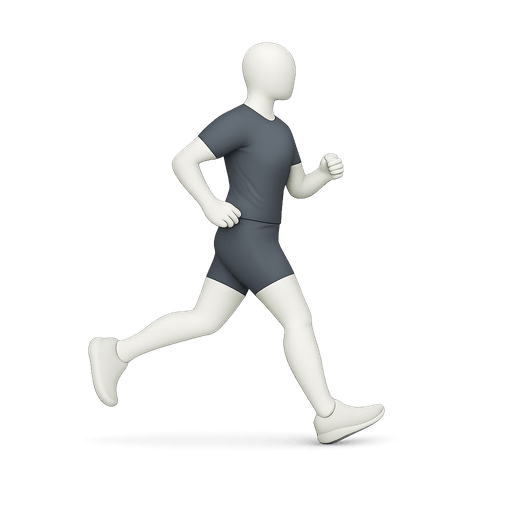 | Easy run | 30 min · zone 2 | intermediate | — | Acute knee or ankle injury |
Sport
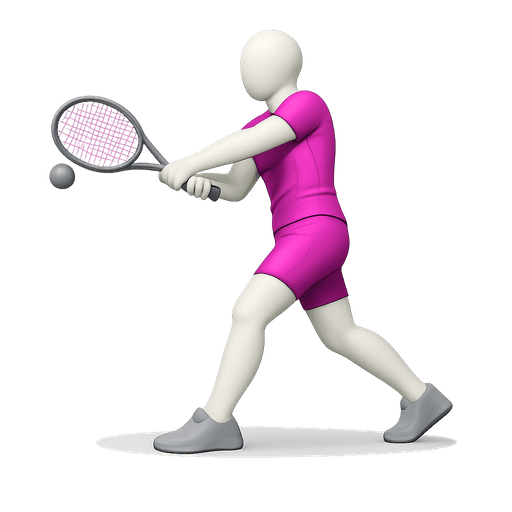
Play. Prescribed as time on the field — the point is that a client's badminton counts, not that it is programmed.
| Movement | Default dose | Level | Equipment | Precautions | |
|---|---|---|---|---|---|
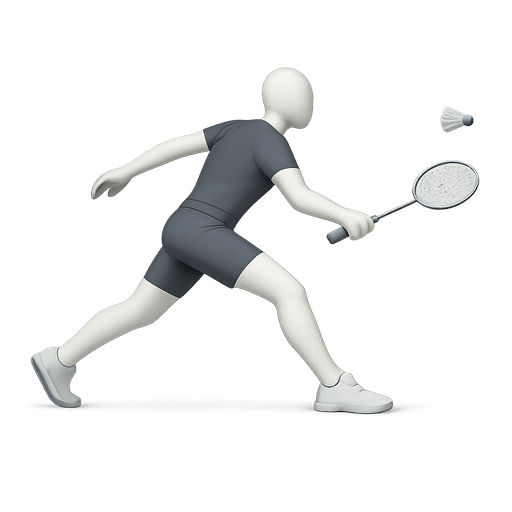 | Badminton | 45 min · moderate | beginner | badminton racquet, shuttlecock | Acute ankle or knee injury, Uncontrolled hypertension |
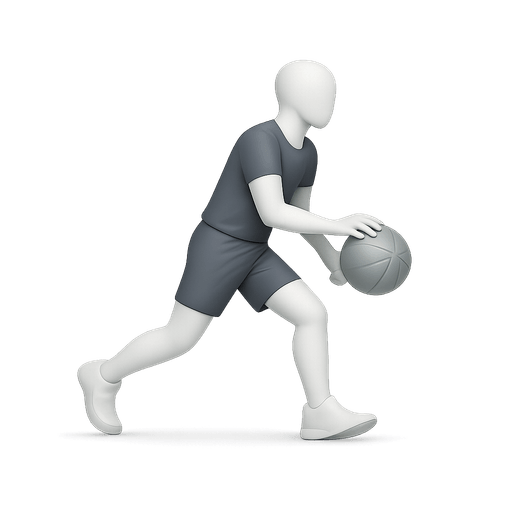 | Basketball | 45 min · vigorous | intermediate | ball | Achilles or patellar tendinopathy, Ankle instability, Knee ligament injury |
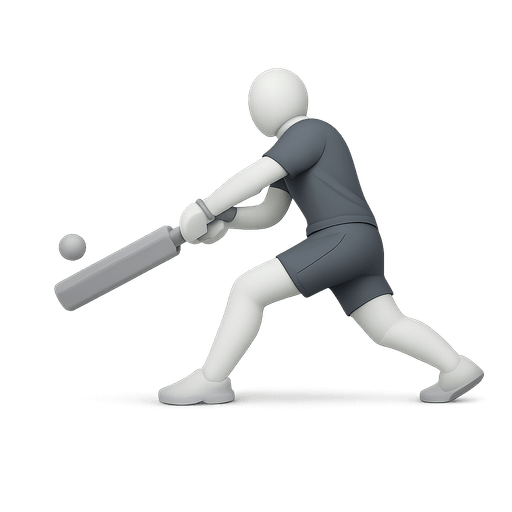 | Cricket | 60 min · moderate | beginner | bat, ball | Low back injury (bowling), Shoulder impingement (throwing) |
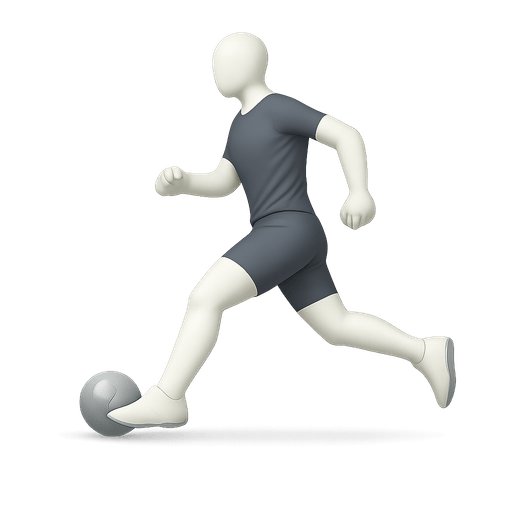 | Football | 60 min · vigorous | intermediate | — | Recent hamstring or groin strain, Knee ligament injury, Uncontrolled cardiovascular disease |
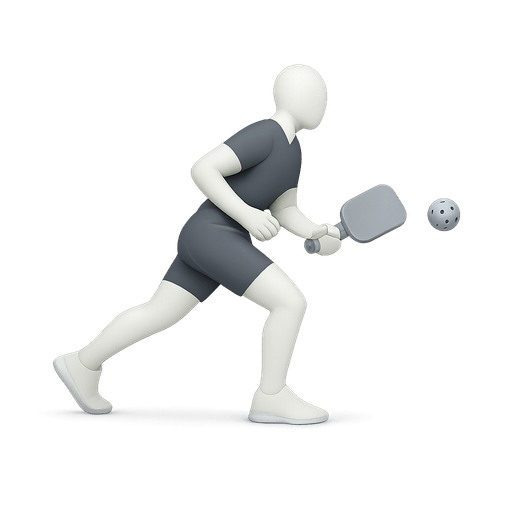 | Pickleball | 45 min · light to moderate | beginner | flat pickleball paddle, perforated plastic ball | Acute ankle injury, Shoulder impingement |
| — | Swimming | 30 min · moderate | beginner | — | Open wounds or active ear infection, Uncontrolled epilepsy (never swim alone) |
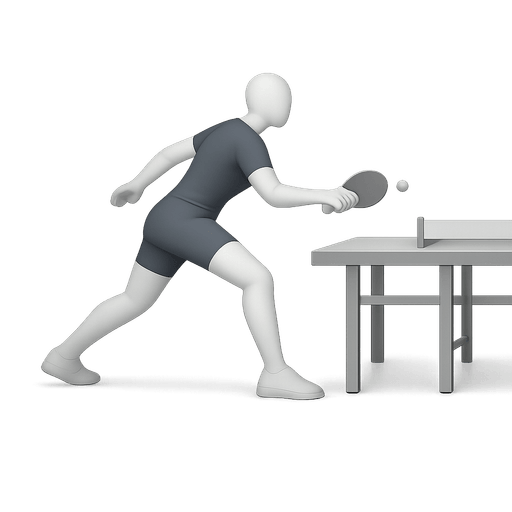 | Table tennis | 40 min · light to moderate | beginner | small table tennis paddle, table tennis table | Acute shoulder or elbow pain |
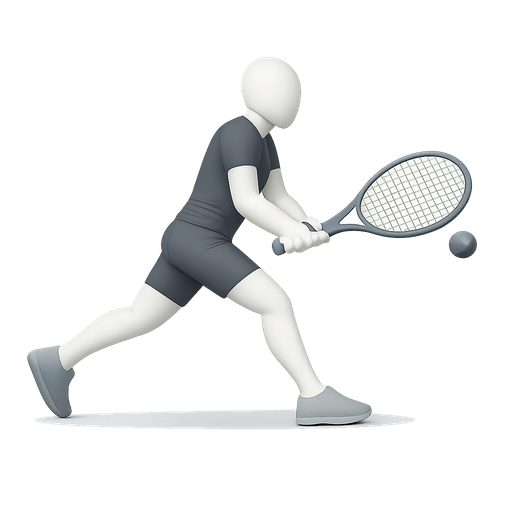 | Tennis | 60 min · moderate to vigorous | intermediate | large tennis racquet, tennis ball | Tennis elbow or acute shoulder pain, Acute knee or ankle injury |
Daily movement
Steps and general activity. Prescribed as a target rather than a session.
| Movement | Default dose | Level | Equipment | Precautions | |
|---|---|---|---|---|---|
 | Daily step target | 8,000 steps · per day | beginner | — | — |
Why breathwork has no pictures
9 of the 82 movements have no illustration. 8 of those are breathwork, and that is a decision rather than a gap. A pranayama is a rhythm over time — there is no posture to draw, and a picture of someone sitting cross-legged tells a client nothing about Anulom Vilom that the name does not. So breathwork is drawn from its prescription instead: the portal renders the ratio as an expanding and contracting ring that the client breathes along with, and the player cues each phase change by ear.
One movement is simply missing artwork — Swimming — and it is on the list.
Every other movement is illustrated, including the ones a single frame cannot honestly depict. Surya Namaskar is twelve positions and is drawn as three of them in a row; cat-cow is drawn as both shapes, not just the cat. A client shown one low lunge and told "Surya Namaskar, 5 rounds" would do lunges.
Adding your own
Open Training → Movements and add one. What you fill in is reused every time the movement is prescribed, so it is worth doing once properly:
| Field | Where it shows |
|---|---|
| Name | The builder, your client's app, and the PDF |
| Also known as | Search only — a client's own words find the right movement |
| Description and cues | The movement detail drawer and the session player |
| Default prescription | Pre-fills the editor every time you pick it |
| Benefits | The client's movement detail drawer |
| Precautions | Screened against every client's conditions |
| Illustration and video | Everywhere the movement appears |
To change a shared movement, add your own version with the same name. Yours ranks above the platform entry in the picker. Nothing you do edits the shared library, so a practice can never break another's.